If you’ve ever used a garden hose to water flowers, a pressure washer to clean your driveway, or a hydraulic line on a construction vehicle, you’ve probably had to patch a leak somewhere along the line—more than once. That’s where a hose mender comes in, right? But if you’re shopping around as a supplier (or even a DIYer), you might be asking: what’s the big deal about its flexibility? Why does it matter more than just slapping two ends of a hose together and calling it a day? Let me break this down the way I explain it to folks who reach out to our team for bulk orders—no stuffy engineering jargon, just real-world stuff that makes a difference. Hose Mender
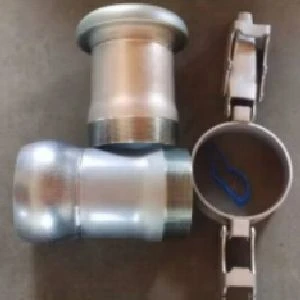
First off, let’s set the baseline: a hose mender’s flexibility isn’t just a “nice to have” feature. It’s what makes the mender work when you’re actually using the hose, not just on a shelf in the garage. Think about the hoses you use day to day. A standard garden hose twists, bends, kinks, and yanks—sometimes accidentally, sometimes on purpose when you’re reaching around a bush or dragging it to the far corner of your yard. If the mender you’re using is rigid, it’s going to pop right off when that hose twists too tight. Or worse, the joint will crack, and you’ll have a new leak before you finish watering the roses.
Here’s the science behind it that actually checks out, by the way. Hose menders aren’t just plastic or metal rings with a screw—they’re made of materials that have a specific durometer, which is just a fancy word for how soft or hard a material is. For most consumer-grade garden hose menders, that number sits between 60 and 80 on the Shore A scale. That’s hard enough to hold up to repeated clamping, but soft enough to flex with the hose when it moves. Industrial hydraulic menders are a bit stiffer, but even they have a flexibility rating that lets them bend without splitting when high-pressure lines shift on a job site.
Let me give you a real example. Last month, a landscaper reached out to our team because he’d been buying the cheap menders from the big box store, and they were falling apart left and right. He was working on a job where he had to move a 100-foot garden hose around sprinkler heads, through flower beds, and over curbs—so the mender was bending and twisting dozens of times a day. The cheap menders he was using had a rigid plastic insert; after a few weeks, the insert would crack, and water would spray out. Our menders, which have a flexible thermoplastic rubber core, didn’t have a single failure on that job. He came back a week later to order a case, said it was the best investment he’d made all month.
Another thing people miss: flexibility affects seal longevity. If a mender can’t flex with the hose, the rubber washers inside the joint will shift. Over time, that gap between the washer and the hose end will widen, and you’ll get a leak. Our team tests every batch of menders by twisting the hose back and forth at a 90-degree angle 1,000 times—if the mender doesn’t crack or leak, it passes. We’ve had customers tell us their old menders would start leaking after a couple hundred bends, but ours hold up through thousands. That’s the flexibility working for you, not against it.
Wait, but what about when the hose is under pressure? A lot of folks think that flexibility would make the mender weaker when water or air is pushing through, but that’s not how it works. Modern hose menders use a design that balances flexibility and structural strength. The outer shell is made of aluminum or rigid plastic, but the inner seal and the part that grips the hose are flexible. So when the hose expands under pressure, the mender expands right along with it. If it was too rigid, the expansion would put stress on the joint, leading to cracks or leaks. We test our menders at 150 PSI—way higher than the 50 PSI a typical garden hose uses—and they flex perfectly without breaking.
Now, let’s talk about different types of hoses, because flexibility requirements change depending on what you’re working with. For example, a lightweight RV water hose is super flexible, so the mender needs to match that otherwise the joint will be too stiff for the hose to bend. A heavy-duty pressure washer hose, on the other hand, is thicker and stiffer, so the mender needs to be a bit more rigid to handle the higher pressure. If you use a garden hose mender on a pressure washer hose, it’s going to be too flexible, and it can’t handle the force—you’ll end up with a blowout. That’s why it’s so important to match the mender’s flexibility to the hose’s material and use case.
We also get a lot of questions from folks who use hoses in extreme temperatures. If you’re working in the winter, a hose gets stiffer, right? So the mender needs to be able to flex even when it’s cold. Our menders are made with materials that stay flexible down to -20°F, so they don’t crack when the hose freezes and expands. The cheap menders from the big box store usually use regular plastic that gets brittle in the cold—we’ve seen those split open after one winter freeze. That’s not a mender working for you, that’s a headache.
Here’s a trick we tell our customers when they’re checking flexibility: grab the mender, and bend it as far as you can. If it feels like it’s going to snap, it’s too rigid. If it bends too easily and feels flimsy, it’s probably not going to hold up. The sweet spot is when it bends with a little resistance, but not so much that it’s hard to maneuver. And don’t forget to test it with your actual hose. Some menders look flexible on their own, but when you slide a thick garden hose into them, they get stiffer. That’s why we recommend testing a sample first if you’re ordering in bulk—we’re happy to send a few out for you to test before you commit to a big order.
Another common mistake people make is thinking all mender flexibility is the same. There’s a big difference between consumer-grade menders, which are designed for occasional use, and commercial or industrial menders, which have to handle daily heavy use. A commercial hose mender has a thicker flexible core and a reinforced outer shell, so it can bend thousands of times a week without failing. That’s why landscapers, construction crews, and RV service companies come to us instead of buying the cheap stuff. They don’t have time to deal with leaks mid-job, and our menders save them time and money in the long run.
Let me wrap this up for anyone who’s still on the fence. The flexibility of a hose mender isn’t just a technical detail—it’s what determines how long it lasts, how well it seals, and whether it works when you need it most. A mender with good flexibility will bend with your hose, not against it, so you don’t have to deal with popping off, cracking, or leaking. It’s an investment that pays off, whether you’re a homeowner doing yard work or a business owner running a crew.
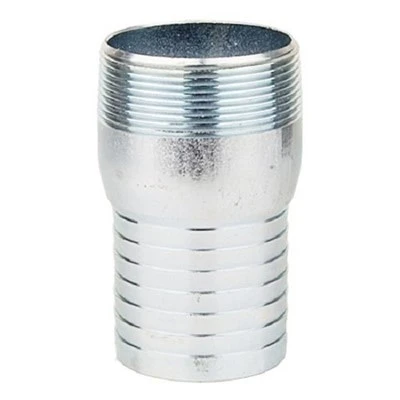
If you’re looking for reliable hose menders that hold up to daily use, and you want to talk about bulk pricing or testing samples, feel free to reach out to our team. We’re here to answer your questions and help you find the right mender for your needs.
Custom Hardware References:
- ASTM International. (2020). Standard Specification for Hose Couplings for Pressure Liquids Hoses. ASTM D3755-20.
- International Organization for Standardization. (2018). Rubber and plastics hoses and hose assemblies – Determination of flexibility. ISO 1402:2018.
- American Society of Agricultural and Biological Engineers. (2021). Hose Mender Performance for Agricultural Irrigation Applications. ASABE EP596.
Suzhou Fuyikang Metal Industrial Co., Ltd.
As one of the most professional hose mender manufacturers and suppliers in China, we have world-leading production equipment and strong manufacturing capabilities. We warmly welcome you to buy bulk high quality hose mender for sale here from our factory.
Address: No.26.Mudong Rd,Mudu Town, Wuzhong Distric, Suzhou City,Jiangsu Province,China
E-mail: SZFYK@SZFUYIKANG-COUPLING.COM
WebSite: https://www.fyk-coupling.com/
