If you’ve ever rummaged through a standard first aid kit, pulled out a half-used tube of antibiotic ointment that expired two years ago, or tossed a pair of gloves that’s the wrong size for anyone in your household, you’ve probably asked yourself this question: Can I buy individual items to replace those in a standard first aid kit? As a supplier of standard first aid kits, I get this question at least a dozen times a week—from parents putting together a car kit, construction managers updating a worksite supply, campers prepping for a weekend hike, and even small business owners upgrading their office stock. It’s a totally reasonable question, but the answer isn’t a simple “yes” or “no.” It depends on a few key things: why you’re replacing items, whether those individual pieces meet safety standards, and how you’re putting the kit together in the first place. Standard First Aid Kits
First, let’s back up and talk about what a standard first aid kit actually is. A lot of people think standard means “one size fits all,” but that’s not the case. For example, the American Red Cross, OSHA (Occupational Safety and Health Administration in the U.S.), and Health Canada all have different guidelines for what a standard kit should include, based on where it’s used. OSHA’s standard for worksites, for instance, requires kits to have a certain number of adhesive bandages, gauze pads, and antiseptics depending on how many employees are on site. A standard kit for a home might be smaller, with items tailored to common at-home injuries, while a standard kit for a school bus or a remote worksite will have extra supplies for more serious incidents.
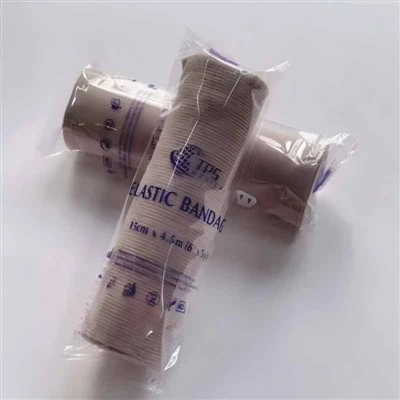
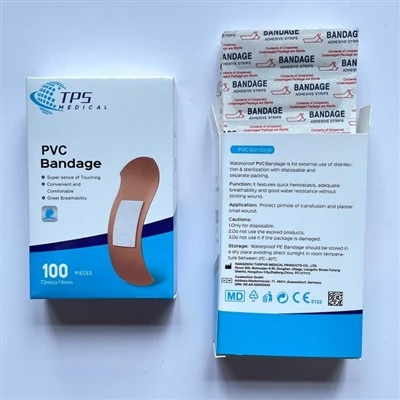
Here’s where individual items come in: if your existing standard kit has something you don’t need, or you’re missing something that is needed, buying individual pieces instead of a pre-assembled kit can make a lot of sense. Let’s say you run a small construction crew with 5 employees. The standard worksite kit we supply has 20 of the large adhesive bandages, but 18 of them are the generic “one-size-fits-most” that don’t fit well on a carpenter’s blistered fingers. Instead of buying a whole new standard kit just for more of the large, heavy-duty bandages, you can purchase those exact bandages individually, toss the ill-fitting ones, and keep the rest of the kit that works. Or maybe you’re a parent of two young kids—our standard home kit has a full tube of antibiotic ointment, but your kids only need a tiny amount per scrape, and half the tube will expire before it’s used. Buying individual single-use ointment wipes means you only get what you need, reduces waste, and keeps the kit useful longer.
But wait—there’s a catch here. Not all individual first aid items are created equal, and just grabbing a random tube of antiseptic from a drugstore shelf to replace the one in your standard kit can be a safety risk. Let’s take antiseptics, for example. Our standard kits only include 1% hydrogen peroxide or povidone-iodine wipes that meet OSHA and Red Cross standards for cleaning cuts—because using the wrong antiseptic (like rubbing alcohol or bleach) can damage tissue and slow healing. If you buy a random bottle of rubbing alcohol from the grocery store to replace that wipe, you might be skipping the right type of product and putting someone at risk. Similarly, adhesive bandages: the ones in our standard kits are tested to stay on through sweat and light moisture, which is important for worksites or outdoor activities. A cheap drugstore bandage might fall off halfway through a job or a hike, leaving a wound exposed.
Another common scenario where individual items make sense is when you’re building a custom kit for a specific use case that standard kits don’t cover. For example, if you have a family member with a severe allergy to latex, you’ll need non-latex gloves in your kit. Our standard kits do offer non-latex gloves as an option, but if you’ve already got a standard kit that only has latex, buying a box of individual non-latex gloves to replace them is totally fine—just make sure you’re replacing the full number required by OSHA or whatever guideline you’re following. Or if you go camping a lot, our standard outdoor kit has a few moleskin pads for blisters, but you might want extra of those, or add a small space blanket that’s not included in the standard kit. Buying those individual items to customize your standard kit is exactly what the Red Cross recommends, actually—they say standard kits are a starting point, and you should adjust them based on your needs, location, and the people using them.
I’ve seen too many people make mistakes when replacing individual items, though. One of the biggest is mixing and matching items that don’t work together. For example, if you replace the sterile gauze pads in your standard kit with non-sterile gauze you bought individually, that’s a problem—sterility is non-negotiable for items that come into contact with open wounds. Another mistake is not checking expiration dates. A standard kit has all its items dated, but if you buy individual bandages that are expired, or an antiseptic wipe that’s dried out, replacing the old expired item with a new expired one is worse than leaving the old one. That’s why, when we sell individual replacement items, we always include their expiration dates on the packaging, and we tell customers to cross-reference those dates with their kit’s inventory to make sure everything stays up to date.
Let’s also talk about cost, because that’s a big factor for most people. A lot of folks assume buying individual items is cheaper than a full standard kit, but that’s not always true—if you only need a few extra items, it can be. For example, if your standard kit has a full roll of medical tape, and you only need 2 feet of it, buying that individual length (or a small roll) is cheaper than buying a whole new standard kit. But if you need to replace half the items in your standard kit, buying all individual pieces might add up to more than the pre-assembled kit, which is designed to be a cost-effective bundle. That’s why we always advise customers to do a quick math check: add up the cost of the individual items you need to replace, and compare it to the cost of a new standard kit. If the individual items are cheaper, go that route; if not, the pre-assembled kit is a better deal, and you can keep the extra items for future replacements.
Another point: if you’re buying individual items to replace in a standard kit for a worksite, OSHA has rules about that. OSHA doesn’t require you to buy a pre-assembled standard kit, but they do require your kit to have the exact number and type of items listed in their guidelines. If you replace an item in your standard kit with a different item that doesn’t meet OSHA’s requirements, you could be at risk during an inspection. That’s why, as a supplier, we make all our individual replacement items match the specs of our standard kits—so if you’re using our standard kit, you can buy our individual replacements and know they’ll meet OSHA, Red Cross, and other standards. No guesswork, no failing an inspection because you used the wrong bandage.
I recently had a customer reach out to me about this exact topic. He was a small business owner with 10 employees, and he’d bought one of our standard worksite kits a year ago, but half the adhesive bandages had gone missing, and he didn’t want to buy a whole new kit just for more bandages. He’d tried buying bandages from a local dollar store to replace them, but his employee got a cut that got infected, and he found out the dollar store bandages weren’t sterile. He came to me, bought a box of our individual sterile, heavy-duty bandages that matched the ones in his original standard kit, swapped them out, and now he checks his kit monthly to replace missing or worn items with our individual replacements. That’s exactly how it’s supposed to work: standard kits as a base, individual items for customization and replacement, all meeting safety requirements.
What about for people who aren’t using standard kits for worksites? For home users, campers, hikers—all of us who need a kit for everyday life or outdoor adventures. I had another customer, a mom who camps with her kids every summer, who said our standard outdoor kit had everything she needed, but her kids kept losing the tweezers (for splinters) and the lip balm with SPF. She didn’t want to buy a whole new standard kit, so she bought individual tweezers and individual SPF lip balm from us, added them to her existing kit, and that was that. No extra bulk, no wasted money, just exactly what she needed.
The key takeaway here is this: yes, you absolutely can buy individual items to replace those in a standard first aid kit, but only if you do it right. That means making sure the individual items meet the safety and regulatory standards that your original standard kit follows, checking expiration dates, not swapping out essential sterile items for non-sterile ones, and making sure you’re not breaking the bank when you do it. Standard kits are designed to be a convenient, reliable starting point, not a rigid, no-adjustment rulebook. The best kits are the ones tailored to your specific needs, and individual replacement items let you do that without having to start from scratch every time.
If you’re not sure what individual items you need to replace, or you want to make sure the items you’re buying match the specs of your standard kit, don’t guess. We’ve helped hundreds of customers—from small business owners to outdoor groups to families—put together their kits by matching individual replacement items to their standard kits. We can walk you through what’s compatible, what meets the regulatory requirements for your location, and help you avoid the common mistakes I talked about earlier. If you’re ready to upgrade or customize your standard first aid kit, or just need to replace some worn or missing items, reach out to our team to discuss your needs. We can help you make the right choices to keep your kit safe, effective, and tailored to you.
Medical Tape References
American Red Cross. (2023). First Aid Kit Guidelines for Home and Work. Retrieved from American Red Cross official guidelines
Occupational Safety and Health Administration (OSHA). (2022). 29 CFR 1910.151: Medical Services and First Aid. U.S. Department of Labor
Health Canada. (2021). First Aid Kits: Requirements for Workplaces and Public Spaces. Government of Canada, Health Products and Food Branch
National Park Service. (2022). Backcountry First Aid Kit Recommendations for Hikers and Campers. U.S. Department of the Interior
Hangzhou Tuopusi Medical Products Co., Ltd.
As one of the most professional standard first aid kits manufacturers and suppliers in China, we offer a wide range of products with superior quality. Please feel free to wholesale bulk customized standard first aid kits at competitive price from our factory. Also, free sample is available.
Address:
E-mail: sales@tpsmedic.com
WebSite: https://www.medressing.com/
