As a supplier specializing in water cooled solutions, I’ve spent considerable time in the field, witnessing firsthand the dynamic nature of heat – removal systems. One question that frequently surfaces in discussions with clients, engineers, and industry enthusiasts is: Are water cooled condensers more effective in removing heat? In this blog, I’ll draw on my experience and industry knowledge to provide a comprehensive answer to this query. Water Cooled
Understanding the Basics of Heat Removal
Heat removal is a critical process in numerous industrial and commercial applications. From power plants to refrigeration units, effectively managing heat is essential for the proper functioning and longevity of equipment. There are primarily two types of condensers used for heat removal: air cooled condensers and water cooled condensers.
Air cooled condensers rely on ambient air to cool the refrigerant. They are relatively simple in design, consisting of a series of coils through which the hot refrigerant flows. Fans blow air over these coils, transferring the heat from the refrigerant to the air. This type of condenser is commonly used in small – scale applications where water availability is limited or where the cost of water usage is prohibitive.
On the other hand, water cooled condensers use water as the cooling medium. The refrigerant is cooled by transferring its heat to the water flowing through the condenser. The heated water is then typically sent to a cooling tower, where it is cooled by evaporation before being recirculated. Water cooled condensers are often found in large – scale industrial processes, data centers, and commercial refrigeration systems.
The Advantages of Water Cooled Condensers in Heat Removal
Higher Heat Transfer Efficiency
One of the most significant advantages of water cooled condensers is their superior heat transfer efficiency compared to air cooled condensers. Water has a much higher specific heat capacity than air, which means it can absorb more heat per unit mass without a significant increase in temperature. In practical terms, this allows water cooled condensers to remove a larger amount of heat from the refrigerant in a shorter period.
For example, in a data center, where servers generate a substantial amount of heat, a water cooled condenser can maintain a more stable and lower operating temperature. This not only improves the efficiency of the servers but also extends their lifespan by reducing the stress on the electronic components caused by excessive heat.
Consistent Performance
The performance of an air cooled condenser is highly dependent on the ambient air temperature. As the air temperature rises, the cooling capacity of the air cooled condenser decreases. In contrast, water cooled condensers can maintain a relatively consistent performance regardless of the ambient air temperature. This is because the temperature of the water used in the cooling process can be more easily controlled, for instance, by adjusting the operation of the cooling tower.
In a manufacturing facility that operates around the clock, a water cooled condenser ensures that the production process is not interrupted due to high ambient temperatures. This reliability is crucial for industries where downtime can result in significant financial losses.
Compact Design
Water cooled condensers generally have a more compact design compared to air cooled condensers with the same cooling capacity. Since water is a more efficient heat transfer medium, less surface area is required for the heat exchange process. This makes water cooled condensers a suitable choice for applications where space is limited, such as in some urban data centers or small – footprint industrial plants.
Considerations and Challenges
While water cooled condensers offer many advantages in heat removal, there are also some considerations and challenges that need to be addressed.
Water Consumption
One of the main drawbacks of water cooled condensers is the significant amount of water they consume. In regions where water is scarce, this can be a major concern. Additionally, the cost of water and wastewater treatment can add to the overall operating expenses. However, modern water conservation technologies, such as closed – loop systems and advanced water treatment methods, can help minimize water consumption and reduce these costs.
Maintenance Requirements
Water cooled condensers require more frequent maintenance compared to air cooled condensers. The water used in the system can contain various impurities, such as minerals and microorganisms, which can lead to scaling, corrosion, and biofouling in the condenser tubes. Regular cleaning, water treatment, and inspection are necessary to ensure the proper functioning and longevity of the condenser.
Real – world Applications and Case Studies
To illustrate the effectiveness of water cooled condensers in heat removal, let’s look at some real – world applications.
In the power generation industry, large – scale power plants often use water cooled condensers to cool the steam from the turbines. The high heat transfer efficiency of water cooled condensers allows the power plants to operate more efficiently, converting a greater percentage of the heat energy into electrical energy. For example, a coal – fired power plant with a water cooled condenser can achieve a higher thermal efficiency compared to a plant using an air cooled condenser, resulting in lower fuel consumption and reduced emissions.
In the food and beverage industry, refrigeration systems play a crucial role in preserving the quality and safety of products. Water cooled condensers are commonly used in commercial refrigeration units, such as cold storage facilities and supermarket display cases. The consistent performance of water cooled condensers ensures that the desired temperature is maintained, preventing spoilage and extending the shelf life of the products.
Conclusion
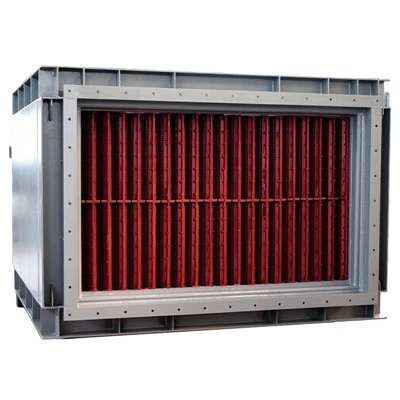
In conclusion, water cooled condensers are generally more effective in removing heat than air cooled condensers in many industrial and commercial applications. Their higher heat transfer efficiency, consistent performance, and compact design make them a preferred choice for situations where large amounts of heat need to be removed efficiently. However, it’s important to consider the water consumption and maintenance requirements associated with water cooled condensers.
Furnace Tube If you’re in the market for a reliable heat – removal solution and are considering the use of water cooled condensers, I encourage you to reach out. Our team of experts at [Your real – world company trading water cooled condensers] has extensive experience in providing customized solutions to meet the unique needs of our clients. Whether you’re building a new facility or upgrading an existing system, we can work with you to design and implement a water cooled condenser system that maximizes efficiency and minimizes costs. Contact us today to start a discussion about your heat – removal requirements.
References
- Incropera, F. P., & DeWitt, D. P. (2001). Fundamentals of Heat and Mass Transfer. John Wiley & Sons.
- ASHRAE Handbook – HVAC Systems and Equipment (2016). American Society of Heating, Refrigerating and Air – Conditioning Engineers.
- Dincer, I. (2002). Heat Pumps: Advanced Technologies and Applications. Wiley – Interscience.
Jiangsu Dongfang Whole-Set Equipment Manufacturing Group Co., Ltd.
We are one of the most professional water cooled manufacturers and suppliers in China, also support customized service. With abundant experience, we warmly welcome you to buy durable water cooled from our factory. If you have any enquiry about pricelist, please feel free to email us.
Address: No. 9, Industrial Park, Xinqiao Town, Jingjiang City, Jiangsu Province
E-mail: dfctwm@163.com
WebSite: https://www.dongfangequip.com/
