As a supplier in the marine engineering metal mesh industry, I’ve often been asked about the feasibility of using our product in underwater pipelines. It’s a question that delves into multiple aspects of engineering, material science, and practical application. In this blog, I’ll explore whether marine engineering metal mesh can indeed be used in underwater pipelines, weighing the pros and cons, and providing insights based on our experience and industry knowledge. Marine Engineering Metal Mesh
Understanding Marine Engineering Metal Mesh
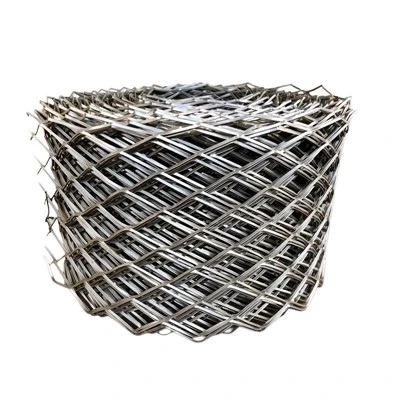
Marine engineering metal mesh is a specialized product designed to withstand the harsh conditions of the marine environment. It is typically made from high – grade metals such as stainless steel, titanium, or alloys known for their corrosion resistance, strength, and durability. The mesh is fabricated in various patterns, including square, diamond, and hexagonal, with different aperture sizes and wire diameters to suit different applications.
The production process involves precision manufacturing techniques to ensure consistent quality and performance. For instance, the wire is first drawn to the desired diameter, and then it is woven or welded to form the mesh structure. Surface treatments may also be applied to enhance the mesh’s resistance to corrosion, abrasion, and other environmental factors.
Advantages of Using Marine Engineering Metal Mesh in Underwater Pipelines
Corrosion Resistance
One of the primary advantages of marine engineering metal mesh in underwater pipelines is its excellent corrosion resistance. Underwater pipelines are constantly exposed to water, salts, and other corrosive substances, which can cause significant damage to non – resistant materials. Metals like stainless steel and titanium used in our mesh have a passive oxide layer that protects them from rust and corrosion. This layer forms spontaneously when the metal is exposed to oxygen, and it helps to prevent the penetration of corrosive agents into the metal’s structure. As a result, the use of metal mesh can significantly extend the lifespan of underwater pipelines, reducing the need for frequent repairs and replacements.
Strength and Structural Support
Marine engineering metal mesh provides additional strength and structural support to underwater pipelines. The mesh acts as a reinforcement layer, helping to distribute the stress evenly across the pipeline’s surface. This is particularly important in situations where the pipeline is subjected to external pressures, such as the weight of the water column, currents, or impacts from debris. By adding a layer of metal mesh, the pipeline becomes more resistant to deformation and rupture, improving its overall safety and reliability.
Filtration and Flow Control
The mesh can also serve as a filtration medium in underwater pipelines. When there are requirements to prevent the entry of large particles or debris into the pipeline system, the metal mesh can be installed at key points to act as a filter. It allows the fluid to pass through while trapping unwanted solids. Additionally, the mesh can be used to control the flow of fluids within the pipeline. By adjusting the aperture size and the pattern of the mesh, it is possible to regulate the flow rate and the direction of the fluid, optimizing the performance of the pipeline system.
Biofouling Prevention
Biofouling is a major problem in underwater pipelines, as the growth of marine organisms on the pipeline surface can reduce the flow capacity, increase drag, and cause corrosion. Marine engineering metal mesh can help to mitigate this issue. Some meshes are designed with specific surface properties or can be coated with anti – fouling agents. The physical structure of the mesh can also create a disturbance in the water flow around the pipeline, making it less attractive for biofouling organisms to attach and grow.
Challenges and Considerations
Installation Complexity
Installing marine engineering metal mesh in underwater pipelines is not without its challenges. The process requires specialized equipment and skilled labor. The mesh needs to be carefully fitted around the pipeline to ensure a proper seal and effective reinforcement. In some cases, the installation may need to be carried out in deep – water environments, which adds to the complexity and cost. Divers or remotely operated vehicles (ROVs) may be required to perform the installation, and strict safety protocols must be followed to ensure the well – being of the workers.
Compatibility with Pipeline Materials
Another consideration is the compatibility of the metal mesh with the pipeline materials. Different metals have different electrochemical properties, and if not properly selected, there could be a risk of galvanic corrosion. Galvanic corrosion occurs when two dissimilar metals are in contact in an electrolyte (such as seawater), and it can lead to accelerated corrosion of one of the metals. Therefore, it is crucial to ensure that the metal mesh and the pipeline material have similar electrochemical potentials or to use insulating materials between them to prevent galvanic corrosion.
Maintenance Requirements
Although marine engineering metal mesh is designed to be durable, it still requires regular maintenance. Over time, the mesh may become clogged with debris, or the anti – fouling coating may wear off. Regular inspections are needed to detect any signs of damage, corrosion, or biofouling. Maintenance activities may include cleaning the mesh, replacing damaged sections, and reapplying anti – fouling coatings. These maintenance tasks can be time – consuming and costly, especially in underwater environments.
Case Studies and Real – World Applications
There have been several successful applications of marine engineering metal mesh in underwater pipelines. For example, in offshore oil and gas production, metal mesh has been used to reinforce pipelines carrying crude oil and natural gas. The mesh has helped to prevent damage from external forces and corrosion, ensuring the continuous and safe operation of the pipeline systems.
In desalination plants, the mesh has been used as a pre – filtration medium in underwater intake pipelines. It has effectively removed large particles and debris from the seawater, protecting the downstream equipment from damage and improving the efficiency of the desalination process.
Conclusion
In conclusion, marine engineering metal mesh can be a valuable addition to underwater pipelines. Its corrosion resistance, strength, filtration capabilities, and biofouling prevention properties offer significant benefits. However, it is important to carefully consider the challenges associated with installation, compatibility, and maintenance.
Perimeter Fencing If you are involved in a project related to underwater pipelines and are considering the use of marine engineering metal mesh, I encourage you to reach out for a detailed discussion. We have a team of experts who can provide you with customized solutions based on your specific requirements. Whether you need advice on material selection, installation techniques, or maintenance strategies, we are here to help you make the most of our high – quality marine engineering metal mesh.
References
- ASM Handbook Volume 13B: Corrosion: Materials and Environments. ASM International.
- Marine Corrosion: Causes, Prevention, and Case Studies. Elsevier.
- Pipeline Engineering Handbook. McGraw – Hill Education.
Hengshui Anbang Road and Bridge Material Co., Ltd.
As one of the most professional marine engineering metal meshmanufacturers and suppliers in China, we’re featured by quality products and good service. Please rest assured to wholesale bulk customized marine engineering metal mesh from our factory. For pricelist, contact us now.
Address: Zhaobazhuang Wire Mesh Industrial Park, Shenzhou City, Hengshui City, Hebei Province
E-mail: 857732879@qq.com
WebSite: https://www.cnanbang.com/
