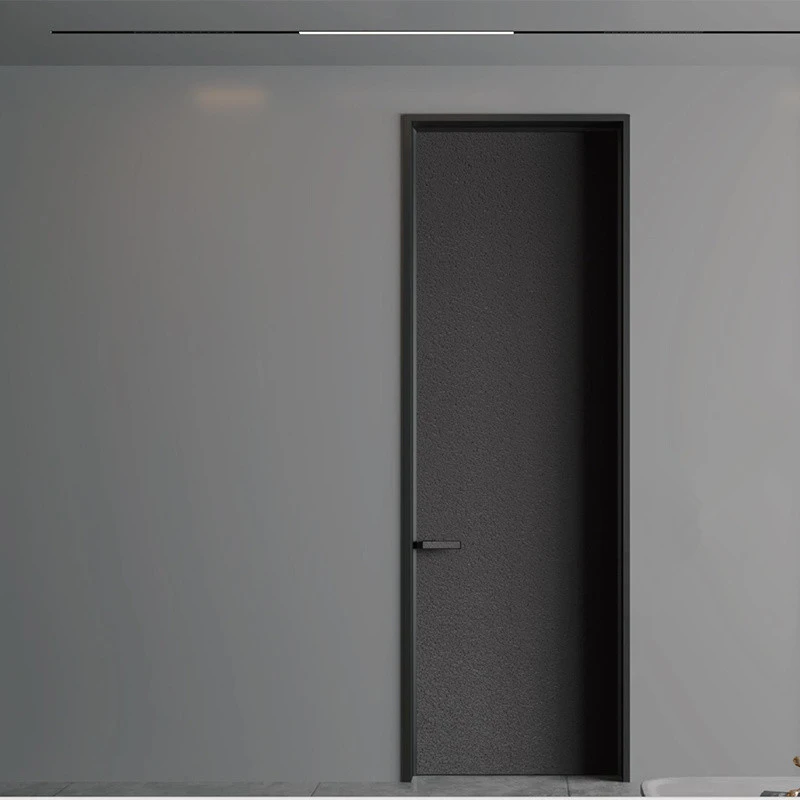
Wardrobe doors are an essential component of any bedroom or storage space, combining functionality with aesthetic appeal. As a dedicated wardrobe door supplier, I’ve often been asked about the lifespan of these doors. In this blog post, I’ll draw on my industry experience and knowledge to shed light on how long wardrobe doors typically last, the factors that influence their durability, and tips to extend their life. Wardrobe Door
Typical Lifespan of Wardrobe Doors
The lifespan of wardrobe doors can vary significantly based on several factors, including the material, quality of construction, usage frequency, and maintenance. On average, well – made wardrobe doors can last anywhere from 10 to 25 years.
Lower – quality or Budget Doors
Budget – friendly wardrobe doors, often made from particleboard or low – grade MDF (Medium – Density Fiberboard) with basic finishes, usually have a shorter lifespan. These doors may start to show signs of wear and tear within 5 to 10 years. For instance, the veneer on particleboard doors can peel, and the edges may chip easily, especially if they are frequently bumped or scratched.
Mid – range Quality Doors
Mid – range wardrobe doors, commonly crafted from solid wood, high – quality MDF, or composite materials with better finishes, can last between 10 to 15 years. Solid wood doors, in particular, are known for their natural beauty and strength. However, they can be susceptible to changes in humidity and temperature, which may cause them to warp or crack over time if not properly maintained.
High – end or Luxury Doors
High – end wardrobe doors, made from premium materials such as high – grade hardwoods, tempered glass, or metal alloys, and featuring advanced manufacturing techniques and finishes, can have a lifespan of 20 to 25 years or even longer. These doors are often built to withstand heavy use and are more resistant to scratches, dents, and environmental factors.
Factors Affecting the Lifespan of Wardrobe Doors
Material Selection
- Wood: As mentioned earlier, solid wood is a popular choice for wardrobe doors due to its durability and aesthetic appeal. However, different types of wood have different levels of hardness and resistance to decay. Hardwoods like oak, maple, and mahogany are generally more durable than softwoods like pine. Additionally, the way the wood is treated and finished can also impact its lifespan. For example, doors with a high – quality polyurethane finish are more resistant to moisture and wear compared to those with a simple varnish.
- MDF: MDF is a man – made material that is known for its smooth surface and affordability. It is less prone to warping than solid wood but can be damaged by moisture. MDF doors with a good moisture – resistant coating can last a reasonable amount of time, but they may not be as durable as solid wood doors in high – humidity environments.
- Glass: Glass wardrobe doors are a modern and stylish option. Tempered glass is highly durable and resistant to breakage. However, if the glass is not properly installed or if it is exposed to extreme impacts, it can crack or shatter. The frames of glass doors, which are often made of metal or wood, also need to be in good condition to ensure the overall longevity of the door.
- Metal: Metal wardrobe doors, such as those made of aluminum or steel, are strong and resistant to corrosion. They are a great choice for industrial or contemporary – style spaces. However, metal can scratch, and if the finish is damaged, it may start to rust over time.
Quality of Construction
The way wardrobe doors are constructed plays a crucial role in their lifespan. Well – built doors have strong joints, proper alignment, and high – quality hardware. For example, doors with mortise and tenon joints are more stable and durable than those with simple butt joints. Similarly, using high – grade hinges, handles, and tracks can prevent premature wear and ensure smooth operation over the years.
Usage Frequency
The more frequently wardrobe doors are opened and closed, the more likely they are to experience wear and tear. In a family household where multiple people use the wardrobe daily, the doors may need to withstand a lot of stress. On the other hand, in a guest room or a rarely used storage space, the doors may last longer as they are not subjected to as much use.
Environmental Conditions
Humidity and temperature fluctuations can have a significant impact on the lifespan of wardrobe doors. High humidity can cause wood to swell, warp, or develop mold, while extreme dryness can make the wood shrink and crack. In areas with high humidity, it is advisable to use moisture – resistant materials or install a dehumidifier in the room. Similarly, in very hot or cold climates, proper insulation can help maintain a stable environment for the wardrobe doors.
Tips to Extend the Lifespan of Wardrobe Doors
Regular Maintenance
- Cleaning: Regularly clean the wardrobe doors to remove dust, dirt, and fingerprints. Use a soft, damp cloth and a mild cleaning solution appropriate for the door material. Avoid using abrasive cleaners or scrubbers that can scratch the surface.
- Lubrication: If the doors have hinges or tracks, lubricate them periodically with a silicone – based lubricant to ensure smooth operation. This can prevent the hardware from wearing out prematurely.
- Inspection: Conduct regular inspections of the doors and hardware to check for any signs of damage or wear. Replace any worn – out parts, such as hinges or handles, as soon as possible to prevent further damage.
Proper Usage
- Avoid Rough Handling: Teach family members and guests to open and close the wardrobe doors gently. Avoid slamming the doors, as this can cause damage to the hinges, tracks, and the door itself.
- Do not Overload: Do not overload the wardrobe with heavy items, as this can put extra stress on the doors and cause them to warp or sag over time.
Environmental Control
- Maintain Stable Humidity: Use a humidifier or dehumidifier to maintain a stable humidity level in the room. The ideal humidity range for most wardrobe doors is between 30% and 50%.
- Protect from Sunlight: Direct sunlight can fade the finish of wardrobe doors over time. Use curtains or blinds to protect the doors from prolonged exposure to sunlight.
Conclusion
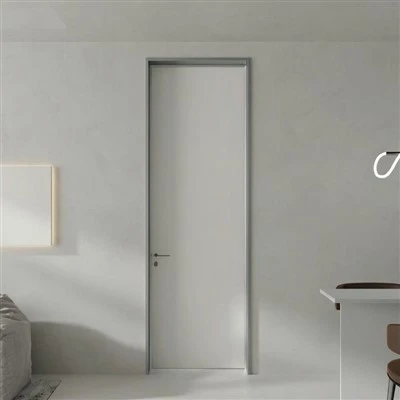
In conclusion, the lifespan of wardrobe doors can vary greatly depending on multiple factors, but with proper material selection, high – quality construction, regular maintenance, and appropriate usage, you can ensure that your wardrobe doors last for many years. As a wardrobe door supplier, I am committed to providing high – quality products that are designed to withstand the test of time.
Glass Door If you are in the market for new wardrobe doors or want to learn more about our product range, I encourage you to reach out. Our team of experts is ready to assist you with selecting the right doors for your needs and budget. Whether you are renovating your home or building a new one, we can provide you with the best solutions for your wardrobe door requirements.
References
- "Woodworking Basics: Materials and Techniques" by Tom Silva
- "Home Maintenance Handbook" by John Sparkes
- Industry reports on building materials durability from various trade associations
Tengzhou Jingsheng Home Furnishing Co., Ltd.
As one of the most experienced wardrobe door manufacturers and suppliers in China, we also support customized service. Please feel free to buy high quality wardrobe door in stock here from our factory. For quotation and free sample, contact us now.
Address: Zhanglou Village, Hongxu Town, Tengzhou City, Zaozhuang City, Shandong Province
E-mail: 15554379297@163.com
WebSite: https://www.jingshenghome.com/
