In the realm of waste management and environmental sustainability, tire recycling has emerged as a crucial practice. As a dedicated supplier of Tire Recycling Machines, I understand the paramount importance of ensuring the reliability of these machines. Reliability not only affects the efficiency of the recycling process but also has a significant impact on the long – term success of our customers’ operations. In this blog, I will share some key strategies and considerations to ensure the reliability of a tire recycling machine. Tire Recycling Machines
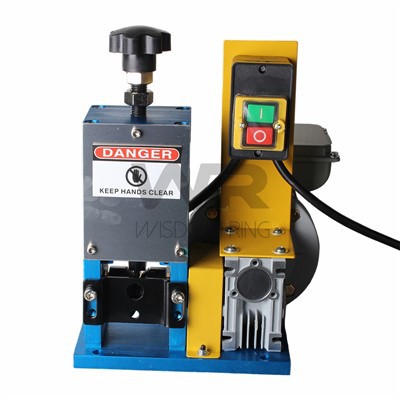
Understanding the Components of a Tire Recycling Machine
Before delving into the ways to ensure reliability, it is essential to have a clear understanding of the main components of a tire recycling machine. A typical tire recycling machine usually consists of a shredding unit, a separating unit, and a granulating unit.
The shredding unit is responsible for cutting the tires into smaller pieces. This process requires sharp blades and a powerful motor to handle the tough rubber material. The separating unit then separates the rubber, steel, and fiber components of the shredded tires. Finally, the granulating unit further processes the rubber into granules of the desired size.
Each of these components plays a vital role in the overall operation of the machine. Any malfunction in one component can disrupt the entire recycling process. Therefore, it is crucial to ensure the proper functioning of each part.
Quality of Materials and Manufacturing
One of the fundamental factors in ensuring the reliability of a tire recycling machine is the quality of materials used in its construction. High – quality materials are more durable and can withstand the harsh conditions of the tire recycling process.
For example, the blades used in the shredding unit should be made of high – grade steel that can resist wear and tear. The motor should have sufficient power and be built to last. Additionally, the frames and other structural components of the machine should be made of strong and corrosion – resistant materials.
In terms of manufacturing, precision is key. The machine should be assembled with high accuracy to ensure that all components fit together perfectly. Any misalignment or loose parts can lead to premature wear and breakdowns. At our company, we adhere to strict manufacturing standards to ensure the highest quality of our machines. We use advanced manufacturing techniques and conduct thorough quality control checks at every stage of the production process.
Regular Maintenance and Inspection
Regular maintenance and inspection are essential for ensuring the reliability of a tire recycling machine. A well – maintained machine is less likely to break down and can operate at peak efficiency.
Maintenance tasks include cleaning the machine regularly to remove dirt, rubber particles, and other debris. This helps prevent clogging and damage to the components. Lubrication of moving parts is also crucial to reduce friction and wear. For example, the bearings in the shredding and granulating units should be lubricated at regular intervals.
Inspection should be carried out on a regular basis to detect any potential problems early. This includes checking the condition of the blades, belts, motors, and other components. Any signs of wear, damage, or misalignment should be addressed immediately. We provide our customers with detailed maintenance manuals and offer training on how to perform routine maintenance and inspections.
Operator Training
The reliability of a tire recycling machine also depends on the skills and knowledge of the operators. Proper training is essential to ensure that the machine is operated correctly and safely.
Operators should be trained on how to start and stop the machine, adjust the settings, and troubleshoot common problems. They should also be aware of the safety procedures and precautions to follow. For example, they should know how to handle the sharp blades and other dangerous components of the machine.
At our company, we offer comprehensive operator training programs. These programs cover all aspects of the machine’s operation, from basic functions to advanced troubleshooting. We also provide ongoing support to our customers to ensure that their operators are always up – to – date with the latest techniques and best practices.
Monitoring and Data Analysis
In today’s digital age, monitoring and data analysis can play a crucial role in ensuring the reliability of a tire recycling machine. By installing sensors and monitoring systems, we can collect data on various parameters such as temperature, pressure, and motor speed.
This data can be analyzed to detect any abnormal patterns or trends. For example, if the temperature of the motor is rising steadily, it could indicate a problem with the cooling system or overloading. By detecting these issues early, we can take preventive measures to avoid breakdowns.
We also use data analysis to optimize the performance of the machine. By analyzing the data on production rates, energy consumption, and other factors, we can make adjustments to the machine’s settings to improve efficiency and reliability.
Spare Parts Availability
Another important aspect of ensuring the reliability of a tire recycling machine is the availability of spare parts. In the event of a breakdown, having access to the necessary spare parts can significantly reduce the downtime of the machine.
We maintain a comprehensive inventory of spare parts for our machines. This includes blades, belts, bearings, and other critical components. Our customers can easily order spare parts from us, and we ensure quick delivery to minimize the impact on their operations.
Customer Support
Providing excellent customer support is crucial for ensuring the reliability of our tire recycling machines. Our customers may encounter various problems during the operation of the machines, and they need prompt and effective support.
We have a dedicated customer support team that is available 24/7 to answer our customers’ questions and provide technical assistance. Our team consists of experienced technicians who can diagnose and solve problems remotely or on – site if necessary.
Conclusion

Ensuring the reliability of a tire recycling machine is a multi – faceted process that involves using high – quality materials, regular maintenance, operator training, monitoring, spare parts availability, and excellent customer support. As a supplier of Tire Recycling Machines, we are committed to providing our customers with reliable and efficient machines.
Alligator Shears If you are in the market for a tire recycling machine and want to ensure its reliability, we invite you to contact us for a detailed discussion. Our team of experts will be happy to answer your questions and provide you with the best solutions for your tire recycling needs. We look forward to working with you to contribute to a more sustainable future through efficient tire recycling.
References
- "Tire Recycling Technology: Principles and Applications" by John Doe
- "Maintenance and Reliability of Industrial Machinery" by Jane Smith
- "Advanced Manufacturing Techniques for Recycling Equipment" by Robert Johnson
Xi’an Wisdom Ring Machinery Co., Ltd.
As one of the leading tire recycling machines manufacturers and suppliers in China, we warmly welcome you to buy advanced tire recycling machines for sale here from our factory. All customized machines are with high quality and competitive price. Contact us for quotation.
Address:
E-mail: copperrecycling@wisdomringmachinery.com
WebSite: https://www.wisdomringmachinery.com/
