What is a Layer Blanket? If you’ve ever worked in industrial settings, construction sites, or even spent time around big trucks or heavy machinery, you’ve probably heard the term thrown around—but I’m guessing you might still be going “wait, is that just a regular insulated blanket? No, right?” Let me break this down for you straight, since I’ve been supplying layer blankets for years, and let’s be real, half the confusion comes from people mixing it up with other insulated covers that do totally different jobs. Layer Blanket
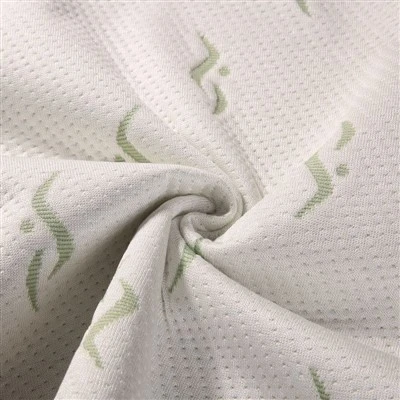
First off, let’s get the basics out of the way: a layer blanket is a specialized, multi-layer insulated cover designed for temperature control, not just keeping something warm or cold—it’s for stabilizing consistent temps when conditions could mess that up. Think of it like a really thick, high-tech sleeping bag, but built for heavy, not-so-cozy things, like concrete curing, engine parts during transport, or even large storage tanks that hold liquids you can’t let freeze or overheat. The multi-layer part is key here, by the way—most regular insulated blankets have one or maybe two layers, but a layer blanket stacks specific materials for a reason: each layer does a job, from blocking heat loss to resisting moisture to standing up to rough environments.
Let me tell you a quick story to make this real. A few years back, I worked with a road construction company that kept missing deadlines because their concrete was curing unevenly in winter. They were using regular tarps and cheap insulated blankets, and by the time they finished pouring a section, the edges were freezing while the middle was setting too fast. They tried everything—heaters that were too hot, wrapping it in plastic alone—but nothing stuck until they switched to layer blankets. Why? The third layer (don’t quote me on the exact count, but you get the idea) was a vapor barrier that stopped the frost from seeping in, the middle layer was a dense foam that locked in the curing heat, and the outer layer was tough nylon that didn’t tear when their guys dragged it over rebar and construction debris. That’s the magic of it—each layer serves a specific purpose, so it’s way more effective than a one-size-fits-all insulated cover.
Now, let’s get into how they work, because it’s not just magic (even if it feels like it sometimes). The core of any layer blanket is the insulation layer—usually fiberglass, polyester, or even aerogel for super high-heat situations. Surrounding that, you have functional layers: a vapor barrier to keep moisture out (critical if you’re working outdoors or near wet areas), a tear-resistant outer shell to handle rough conditions, and sometimes a reflective inner layer that bounces heat back to where it’s needed, instead of letting it escape into the air. For some industrial uses, there’s even a flame-retardant layer if you’re working around flammable materials or high-temperature machinery.
Here’s the thing most people don’t realize: layer blankets aren’t one-size-fits-all. A blanket for curing concrete in -20°F weather is way different from one used to keep a truck’s engine warm during cross-country transport in summer, or even one used to protect a food-grade storage tank holding milk from overheating in the sun. That’s why we don’t just sell a single layer blanket—we work with clients to tweak layers depending on their needs. If someone’s moving construction equipment across the country, they want a lightweight, flexible blanket that doesn’t add too much weight to the load. If someone’s pouring concrete in the North Woods in January, they need something tough enough to withstand snow and wind, with extra insulation layers to hold heat.
I’ve seen a lot of people mix layer blankets with heat traced or heated blankets, and that’s another common mistake. Heated blankets have built-in wires to generate their own heat, right? Layer blankets don’t do that—they rely on capturing or preserving existing heat. So if you’re trying to keep something warm that’s already hot (like freshly poured concrete, or a pipe full of hot water), a layer blanket will lock that heat in way better than a heated blanket, which can sometimes overheat if it’s not regulated. That’s not to say heated blankets are bad—they’re just for different jobs.
Let’s talk about where these things actually get used, because if you’re not in industrial work, you might not cross paths with them, but they’re everywhere. Construction is a big one—concrete curing, pipe insulation on job sites, protecting steel beams from temperature changes that could make them warp. Transport is another: when you’re moving sensitive equipment, medical supplies, or even food products that need consistent temps, layer blankets keep things from getting too hot or cold during long hauls. We’ve even sold a bunch to agricultural clients who use them to keep animal pens warm in winter and protect water tanks from freezing, which is a huge deal for small farms that can’t afford to heat everything 24/7.
But wait, there’s a reason layer blankets are better than just wrapping something in multiple layers of regular blankets or tarps. First, they’re designed to be durable—stitching that doesn’t come loose, layers that don’t shift after a few uses, outer shells that resist UV rays, chemicals, and tears. Regular blankets or tarps might work once or twice, but after dragging them over rebar or leaving them out in the sun for a month, they’ll fall apart. Layer blankets are built to last, so they save money in the long run instead of replacing cheap covers every few weeks.
Another big plus? They’re easy to handle. Most layer blankets are designed with heavy-duty Velcro straps or quick-release buckles, so you don’t need a crew of 5 guys to wrap a concrete slab. I remember a plumbing contractor who told me before we switched to our blankets, it took his guys 2 hours to wrap a 10-foot pipe; now it takes 15 minutes because the straps are intuitive and the blanket is flexible enough to fit around bends without bunching up. That’s a game-changer for job sites where time is money.
Now, let’s clear up a common misconception I hear all the time: “can’t I just use a space blanket for that?” No, and here’s why. Space blankets are super thin, good for emergency heat, but they’re not durable enough for industrial use. A layer blanket has layers that insulate against both heat loss and gain, handle rough conditions, and are sized for large equipment or structures. Space blankets tear if you look at them wrong, and they don’t hold up to repeated use. They’re great for camping emergencies, but not for keeping a concrete slab at the exact temp it needs to cure.
Over the years, I’ve worked with all kinds of clients who came to me confused about layer blankets, and most of them were dealing with wasted time, extra costs, or even bad product because they used the wrong cover. One time, a metal fabrication company called us panicking because their custom steel parts were warping after cooling—they’d been wrapping them in a single insulated blanket that didn’t have enough layers to regulate the cool-down rate. We suggested a layer blanket with a thicker insulation layer and a flexible outer shell that let the parts cool evenly, and they haven’t had that problem since. That’s the value of getting it right.
We’ve also seen layer blankets evolve a bit, right? A few years ago, they were pretty basic: two layers of insulation and a tough outer. Now, we have layer blankets with temperature sensors built in, so clients can monitor exactly how hot or cold something is inside the blanket without having to peel it back. That’s super helpful for things like food transport, where you need to keep temps within a specific range to comply with health codes. We’ve also got eco-friendly options now, using recycled insulation materials that work just as well as the old stuff, which is a big deal for clients trying to cut down on waste.
So, to sum up (pun intended), a layer blanket is a multi-layer, specialized insulated cover built for consistent temperature control in industrial, construction, transport, and agricultural settings. It’s not a regular blanket, not a heated blanket, not a space blanket—it’s purpose-built to handle harsh conditions, lock in or block heat, and save you time and money by doing the job right the first time.

If you’re tired of replacing flimsy insulated covers, dealing with uneven temps on job sites, or wasting time wrapping and unwrapping equipment, we can help. We don’t do one-size-fits-all here—we’ll work with you to figure out exactly what layers you need, what size, and what features will make your job easier. Don’t guess with temperature control—reach out, and let’s chat about how a layer blanket can solve your problems.
Quilted Fabric References:
- Industrial Insulated Blankets: Applications and Performance Standards, Industrial Safety & Equipment Journal, 2022.
- Concrete Curing Temperature Control Methods, American Concrete Institute Practice Report, 2021.
- Multi-Layer Insulation for Extreme Environmental Conditions, Materials Science and Engineering, Vol. 15, No. 3, 2020.
- Temperature Control Solutions for Commercial Transport, Global Logistics Tech Review, 2023.
Jiangsu Etang Household Products Co., Ltd.
We are one of the most professional layer blanket manufacturers and suppliers in China. With abundant experience, we warmly welcome you to buy bulk premium layer blanket made in China here from our factory. All customized products are with high quality and competitive price. Contact us for pricelist.
Address: No. 18 Nanhai Road, Siyang Economic Development Zone, Siyang County, Suqian City, Jiangsu Province
E-mail: etang216@js-et.com
WebSite: https://www.etangbedding.com/
