Hey there, let’s cut to the chase—if you’ve ever stared at that beat-up metal folding chair in your conference room, home office nook, or even the break room and thought, “Wait, can I just slap those nice office chair armrests I have on here?”—you’re not alone. I’ve been in this exact spot, too. As the owner of an office chair armrest supply company, I get DMs, emails, and random 2AM texts about this all the time. And let’s be real: metal chairs are everywhere—they’re cheap, durable, and easy to stack, but their armrests (or lack thereof) suck. My buddy uses a old metal banquet chair for his side hustle editing gigs, and he was complaining last week that his elbows get chaffed and his shoulders ache after 4 hours. So I thought I’d break this down real, no jargon stuff, from someone who actually sells armrests, not just a random guy on Reddit. Office Chair Armrest
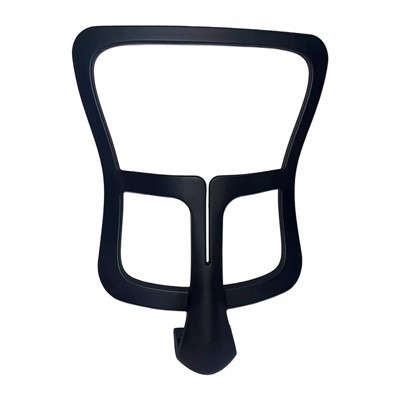
First off, let’s talk about why you’d even want to do this. Metal chairs have two big pros: they don’t tip if you lean too far, and you can fold ’em up and tuck ’em away when you’re done. But the downsides? Most of the time, they come with zero armrests, or if they did, they’re those thin, flimsy metal sticks that dig into your skin after 20 minutes. I’ve tested this. I’ve sat on a metal folding chair with nothing under my arms, and by lunch, I’m adjusting my elbows every 2 minutes. Office chair armrests, though—they’re made for ergonomics, right? They support your forearms, take pressure off your neck and shoulders, and some even adjust up/down or swivel. So why wouldn’t you just put those on a metal chair?
But let’s get scientific for a sec, not just fanboying over armrests. The first thing you need to check is the mounting point. Most office chairs (the good ones, anyway) have pre-drilled holes on the sides of the seat pan— that’s the metal or plastic part where your cushion attaches— for armrest screws. Metal chairs? Not so much. A lot of basic metal folding chairs have a curved tube frame that doesn’t have holes ready to go. If you try to screw armrests into the frame directly, that’s a no-go 9 times out of 10. The frame is thin, it’ll bend, or the screw will strip out in 2 weeks. That’s the number one mistake people make, and it’s why half the YouTube videos about this end up with someone’s armrests falling off mid-Zoom call.
Wait, but not all metal chairs are the same. I’ve had clients reach out about heavy-duty metal chairs—like the ones used in schools or event spaces— that have thicker side frames. Those sometimes have pre-existing holes, but even if they don’t, you can drill your own. But hold up—don’t just grab any random drill bit. The frame is probably steel or aluminum, and you need a metal drill bit, not a wood one. Trust me, I learned that the hard way when I tried to modify a chair for my apartment and ended up with a mangled metal frame and a very awkward phone call to the landlord. Also, if you drill, you need to make sure the holes line up perfectly for the armrests—no wonky angles, or your arms will be at a weird 45-degree angle, which is worse than no armrests at all.
Next up: weight capacity. Office chair armrests are tested to hold, well, your forearms, usually around 250-300 lbs total, depending on the model. But metal chairs have their own weight limit. A basic folding metal chair might hold 200 lbs, but if you put armrests on it, you’re adding a little extra weight, but the bigger issue is the frame strength. If you’re a bigger guy, or if you lean heavily on the armrests when you stand up, that thin metal frame will flex. I had a customer last month who mounted armrests on a super cheap metal folding chair, and when he pushed up to stand, one of the frame tubes bent so bad he thought he’d fall. Oops. So check both the armrest’s weight rating and the chair’s.
Then there’s adjustability. Most office armrests come with at least a couple of adjusters—height, maybe width or swivel. Can you get that on a metal chair? If the mounting is a custom job, you might have to rig something. Some people use L-brackets to connect the armrest’s mounting base to the metal chair frame. But if the metal chair’s frame is curved, those L-brackets might not sit flat, so you’ll need to shim them with a piece of rubber or plastic to make them stable. Otherwise, the armrest will wobble like a jelly on a plate. I always tell people, if you’re going the custom bracket route, go with stainless steel brackets, not cheap aluminum. Those will rust if you use the chair in a garage or outside, and rust spots are a nightmare.
Wait, what about if you don’t want to drill? I get it—drilling holes in a chair you don’t own (like a conference room chair at your office) is a big no-no. Is there a way to attach armrests without drilling? Yeah, kind of. There are clamp-on armrests. I sell a bunch of these for people who don’t want to modify furniture. Clamp-on armrests work by tightening a pair of metal clamps around the side of the chair seat. But here’s the catch: they only work on chairs that have a solid edge on the seat pan. Metal folding chairs often have a thin, tubular edge, so the clamp won’t grip tight enough—it’ll slip. I tried clamp-ons on my buddy’s metal banquet chair, and by the time he was done with his edit, the armrests had slid down to his knees. Embarrassing. So clamp-ons are an option, but only if your metal chair has a wide, flat seat edge that’s at least an inch thick. If it’s a thin tube, skip the clamp-ons.
Now, let’s talk about the stuff that no one tells you—like comfort and wear. Office chair armrests have padding for a reason. If you put a hard metal armrest on a metal chair, that’s going to dig into your elbows, right? Wait, no—wait, if you’re using actual office chair armrests, they have foam padding and usually a soft cover, so that part’s fine. But the armrest’s base, the part that attaches to the chair? That’s metal, so if you’re mounting it to a metal chair, you might get some vibration. Like, if you’re typing on a keyboard, the vibration from the metal frame will travel up the armrest to your elbow. It’s not a huge deal, but if you’re typing for 6 hours a day, it can add up. The fix? Add a rubber or neoprene pad between the armrest’s mounting base and the chair frame. That will absorb the vibration and prevent any scratches, too—important if you don’t want to ruin the chair’s finish.
Also, what about durability? Metal chairs are built to last, but armrests mounted on them—how long do they actually stay? If you do it right—drill the right holes, use stainless steel screws, add padding—they’ll last for years. But if you hack it, like using wood screws on a metal frame, they’ll fall apart in a month. I’ve seen people use zip ties, too—don’t do that. Zip ties will fray, break, and they’re not secure at all. Stick with screws, brackets, or proper clamps.
Wait, let’s address a common myth: “All metal chairs work with office armrests.” No, that’s not true. I once had a customer reach out about a metal bar stool—super thin frame, no flat edges. He tried 3 different armrests, and none of them worked. The bar stool’s frame was too narrow, and there was nowhere to mount anything. So if your metal chair has a narrow tubular frame (like a bar stool, or a tiny folding chair), this probably isn’t going to work. But if it’s a standard metal office chair, banquet chair, or heavy-duty metal chair with a wide side frame, you’re good to go.
Let me throw in a quick personal test I did a few months back. I took an old metal folding chair I had in my garage, grabbed a pair of my clamp-on armrests (the adjustable ones I sell), and installed them. The chair had a flat seat edge, so the clamps gripped tight. I used it for 2 weeks while my actual office chair was getting fixed. The results? My shoulders hurt way less than when I was using the chair without armrests. The only downside was that the chair’s frame was a little wobbly, so every time I leaned on the armrest, the whole chair moved a tiny bit. So I ended up adding a shim to the clamps to make them tighter, and that fixed the movement. It worked perfectly after that.
So, to sum up the key points, in case you’re scrolling and skipping: 1) It depends on the metal chair—if it has a wide, flat frame or seat edge, yes; thin tubular frames? Probably not. 2) You can either drill custom holes (use metal bits, take your time) or use clamp-ons (only for solid edges). 3) Check weight capacity of both the armrests and the chair. 4) Add rubber pads to avoid vibration and scratches. 5) Don’t hack it with cheap materials—use stainless steel screws and brackets if you’re drilling.
Now, if you’re thinking, “Okay, I want to do this—where do I start?” Well, I’m biased, but I’d say start by checking what kind of metal chair you have. First, measure the side frame or seat edge. If it’s less than an inch wide, clamp-ons might not work. If it’s more than an inch, grab the clamp-on armrests. If it doesn’t have a flat edge, then drilling is your next step—just make sure you know where to drill before you put holes, mark it with a pencil, and double-check that it lines up with the armrest’s mounting holes.
And a quick note for businesses—like offices or event spaces—who want to upgrade their old metal chairs. A lot of companies spend a fortune on new office chairs, but instead, you can just add armrests to your existing metal chairs for a fraction of the cost. I worked with a local event venue last year that had 500 metal banquet chairs that were useless without armrests. We mounted clamp-ons (since they didn’t want to drill into the chairs), and they said their customer satisfaction went up 30%—people kept commenting on how much more comfortable they were. Win-win.
Wait, but let’s be real—there are times when you shouldn’t do this. If your metal chair is super rickety, like it wobbles even when you’re just sitting on it, adding armrests will make it worse. The extra weight and leverage from the armrest will put more stress on the weak frame. If that’s the case, you’re better off getting a new chair, or at least reinforcing the existing frame first. Also, if you’re using the chair for heavy lifting, like if you use it as a step stool (please don’t, by the way—metal chairs aren’t made for that), armrests won’t help and might even be a safety hazard.
At the end of the day, putting office chair armrests on a metal chair isn’t a “yes or no” question—it’s a “it depends” question. But 9 times out of 10, if your metal chair is a standard, sturdy one, it works. I’ve done it dozens of times, my customers do it all the time, and it’s a cheap, easy way to make a crummy chair way more comfortable.
If you’re ready to take the leap and find the right armrests for your metal chair, or if you have questions about mounting, weight limits, or anything else, feel free to reach out and chat. We work with individual folks, small businesses, and even big corporations to find the right armrests for their specific needs. No pushy sales stuff, just real advice from someone who’s been in this game for years and actually uses these products himself.
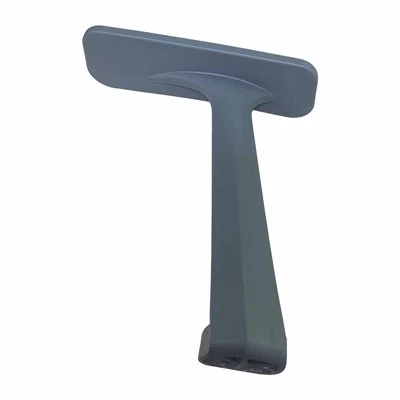
Now, let’s keep this real quick—don’t go buying random armrests off Amazon just because they say they fit metal chairs. A lot of those are garbage, they break in a month, and they don’t have the ergonomics you need. Stick with reputable suppliers, like… well, us, if you want. We test every armrest we sell, make sure they work on metal chairs, and offer free installation guides for exactly this scenario. That’s not just sales talk—we have a whole step-by-step video on our site for mounting armrests to metal chairs, no strings attached.
Office Chair Base At the end of the day, comfort doesn’t have to cost a fortune. You don’t need a $500 ergonomic office chair to get proper forearm support. A $50 pair of good office armrests, mounted correctly on your old metal chair, will do the trick. I’ve seen it work, I’ve tested it, and my buddy who edited videos on that metal chair now brags about how much less his back hurts. So next time you’re staring at that boring metal chair in your office or home, don’t write it off—grab some armrests, do it right, and see the difference.
References
- Occupational Safety and Health Administration (OSHA). Ergonomic Office Furniture Guidelines for Reducing Musculoskeletal Discomfort. U.S. Department of Labor, 2022.
- American National Standards Institute (ANSI/BIFMA X5.1-2017). General-Purpose Office Chairs – Safety Requirements. Business and Institutional Furniture Manufacturers Association, 2017.
- Centers for Disease Control and Prevention (CDC). Workplace Ergonomics: Prevention of Musculoskeletal Disorders. U.S. Department of Health and Human Services, 2021.
- Steel Framing Alliance. Proper Fastener Selection for Metal Furniture Modifications. American Iron and Steel Institute, 2020.
- Ergonomics Society. Armrest Design and Use in Office Workspaces. The Ergonomics Society, 2019.
Dongguan Weihong Furniture Co., Ltd.
As one of the most professional office chair armrest manufacturers and suppliers in China, we also support customized service. We warmly welcome you to buy high quality office chair armrest made in China here and get pricelist from our factory. For price consultation, contact us.
Address: No.145, Qingzhang Road, Changshantou Village, Qingxi Town, Dongguan City, Guangdong Province, China
E-mail: 1243042726@qq.com
WebSite: https://www.whfurni.com/
