As a supplier in the world of musical fountains, I often get asked how these amazing water displays actually work. It’s a question that’s both simple and complex at the same time. In this blog, I’m gonna break down the whole process for you, so you can understand the magic behind these captivating shows. Musical Fountain
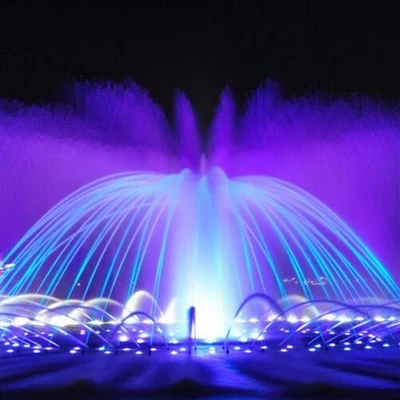
The Basics of a Musical Fountain
Let’s start with the fundamentals. A musical fountain is basically a combination of water, light, and sound, all choreographed to create a synchronized performance. It’s like a live show, but with water instead of actors.
The water part is pretty obvious. You’ve got a pool or a basin where the water is stored. Then, there are pumps that push the water up through nozzles, creating different types of jets and sprays. The shape and height of these water formations depend on the type of nozzle used and the pressure of the water.
Lighting plays a huge role in enhancing the visual appeal of the fountain. LED lights are commonly used because they’re energy – efficient and can produce a wide range of colors. These lights are placed underwater or around the fountain to illuminate the water, creating a stunning visual effect.
And of course, there’s the music. The fountain is programmed to synchronize with a chosen piece of music. As the music plays, the water jets, lights, and other effects are timed to match the rhythm, tempo, and mood of the song.
The Components of a Musical Fountain
Pumps
Pumps are the heart of a musical fountain. They’re responsible for moving the water from the pool to the nozzles. There are different types of pumps, each with its own characteristics. Centrifugal pumps are often used because they’re efficient and can handle large volumes of water. The power of the pump determines how high the water can be forced out of the nozzles.
The pumps are connected to a control system. This system can adjust the speed of the pumps, which in turn controls the height and intensity of the water jets. When the music has a fast – paced section, the control system can increase the pump speed to create higher, more dynamic water sprays.
Nozzles
Nozzles are like the "artists" of the fountain. They come in all shapes and sizes, and each one creates a unique water pattern. Some nozzles produce a single, straight jet of water, while others create multiple streams or even misty sprays.
For example, a fan nozzle spreads the water out in a wide, fan – shaped pattern. A rainbow nozzle creates a curved arc of water that looks like a rainbow. The combination of different nozzles in a fountain can create a visually diverse and interesting display.
Lighting System
As I mentioned earlier, lighting is crucial for a musical fountain. LED lights are arranged in and around the water basin. They can be programmed to change colors and intensity in sync with the music.
The color – changing capabilities of LED lights allow for an almost endless variety of visual effects. For instance, during a slow and mellow part of the song, the lights might be set to a soft blue or purple to create a calm atmosphere. When the music builds up to a crescendo, the lights can switch to bright reds and yellows, adding excitement to the display.
Control System
The control system is the brain of the musical fountain. It’s what makes everything work together in harmony. This system is usually a computer – based setup that can be programmed to control the pumps, nozzles, and lighting.
The programming process involves creating a sequence that matches the music. The programmer has to carefully time each water jet and light change to correspond with the beats and notes of the song. This requires a good understanding of both music and the technical aspects of the fountain.
How the Synchronization Happens
Now, let’s talk about how the fountain synchronizes with the music. There are a few different methods, but the most common one involves using a digital audio file and a control software.
First, the audio file of the chosen song is imported into the control software. The programmer then analyzes the music, identifying the key beats, tempo changes, and musical phrases. Based on this analysis, the programmer creates a sequence of commands for the pumps and lights.
For example, if there’s a strong beat in the music, the programmer might program the pumps to increase the water pressure and the lights to flash brightly at the same time. This way, every element of the fountain is working in harmony with the music.
Another method is to use a real – time control system. In this case, the fountain can respond to the live input of music. A sound sensor is placed near the speakers, and it detects the sound waves. The control system then translates these sound waves into commands for the pumps and lights. This allows for more flexibility, as the fountain can dynamically adjust to different music performances.
Installation and Maintenance
Installing a musical fountain is a complex process that requires careful planning and technical expertise. First, the location needs to be carefully selected. It should have a stable surface and access to a power source and water supply.
The pool or basin for the water needs to be built to the right specifications. The pumps, nozzles, and lighting systems are then installed and connected to the control system. Once everything is in place, a series of tests are conducted to ensure that the fountain is working properly and that the synchronization with the music is accurate.
Maintenance is also an important part of owning a musical fountain. The water needs to be regularly treated to prevent the growth of algae and bacteria. The pumps, nozzles, and lights need to be inspected and serviced periodically to ensure that they’re in good working condition. The control system software also needs to be updated regularly to fix any bugs and to add new features.
Why a Musical Fountain is a Great Investment
Musical fountains are not just a beautiful addition to a public space or a private property; they’re also a great investment. In public spaces like parks and plazas, a musical fountain can attract more visitors, increasing the footfall and making the area more vibrant.
For businesses, such as hotels and shopping malls, a musical fountain can create a unique and memorable experience for customers. It can set the business apart from its competitors and increase its brand visibility.
In private properties, a musical fountain can add value to the home and create a relaxing and entertaining outdoor space for the family.
Time to Consider a Musical Fountain for Your Project
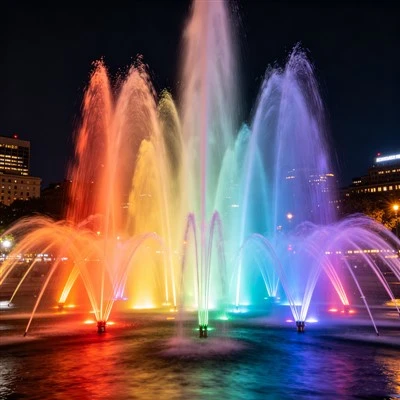
If you’re thinking about adding a musical fountain to your project, whether it’s a public space, a commercial building, or a private residence, I’m here to help. I’ve got years of experience as a musical fountain supplier, and I can offer you a wide range of options to suit your needs and budget.
Musical Fountain Whether you want a small, intimate fountain for your backyard or a large – scale, elaborate display for a public event, I can provide you with the expertise and the equipment you need. Just reach out to me, and we can start discussing the details of your project. Let’s create a musical fountain that will leave everyone in awe.
References
- "Water Features Handbook" by Nigel Dunnett and Andy Cufley
- "The Art and Science of Water Fountains" by various authors in the field of landscape architecture and engineering
Hebei Mingchuang Landscape Engineering Co., Ltd.
As one of the most professional musical fountain manufacturers in China, we have years of experience in fountain design and installation. Please feel free to buy durable musical fountain made in China here from our factory. Welcome to view our website for more information.
Address: Dongyangzhuang Village, Beidiantou Township, Tang County, Baoding City, Hebei Province
E-mail: 1094267503@qq.com
WebSite: https://www.mcfountains.com/
