Hey there, folks! I’m a supplier of CNC metal lathes, and today I wanna share with you how to replace the spindle bearing in a CNC metal lathe. It’s a task that might seem a bit daunting at first, but with the right know – how and a little patience, you can get it done. CNC Metal Lathe
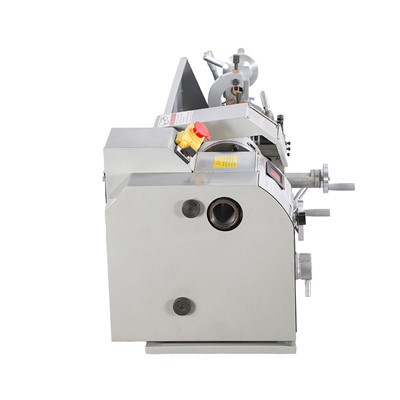
First off, let’s talk about why you might need to replace the spindle bearing. Over time, these bearings can wear out due to constant use, high – speed rotation, and exposure to heat and contaminants. When a bearing starts to fail, you might notice some tell – tale signs. There could be strange noises coming from the spindle, like grinding or rattling. The accuracy of your machining might also take a hit, with parts coming out with more errors than usual. And in some cases, you might even feel vibrations when the lathe is running.
Before we jump into the replacement process, you gotta gather the right tools. You’ll need a set of wrenches, both metric and standard depending on your lathe’s make. A bearing puller is an absolute must – have. This tool helps you remove the old bearing without damaging the spindle or other components. You’ll also need a soft – faced hammer, a torque wrench to tighten the bolts to the correct specifications, and some lubricant for the new bearing. Oh, and don’t forget safety gear like gloves and safety glasses. Safety first, always!
Now, let’s start the process. The first step is to power off the lathe and unplug it from the electrical source. This is super important to avoid any electrical shocks. Then, you need to remove the spindle housing cover. Usually, there are a few bolts holding it in place. Use your wrenches to loosen and remove these bolts carefully, and set them aside in a safe place so you don’t lose them.
Once the cover is off, you’ll get a good look at the spindle and the bearing. Before you remove the old bearing, it’s a good idea to take some photos or make some notes about the position and orientation of the bearing and any other parts around it. This will make it a lot easier when you’re putting the new bearing in.
Next, it’s time to use the bearing puller. Place the puller jaws around the outer race of the bearing. Make sure they’re firmly attached, and then start turning the central screw on the puller. As you turn the screw, the puller will gradually pull the bearing off the spindle. It might take a bit of force, but be careful not to use too much or you could damage the spindle.
After you’ve removed the old bearing, inspect the spindle for any signs of damage or wear. Look for scratches, nicks, or any other irregularities. If you find any major damage, you might need to have the spindle repaired or replaced. But in most cases, if the bearing just wore out naturally, the spindle should be okay.
Now, it’s time to prep the new bearing. Take it out of its packaging and give it a quick visual inspection. Make sure there are no visible defects. Then, apply a thin layer of lubricant to the inner and outer races of the bearing. This will help it run smoothly and reduce friction.
Installing the new bearing is a bit like the reverse of removing the old one. First, align the bearing with the spindle. You need to make sure it’s in the correct orientation. Then, gently tap the bearing onto the spindle using a soft – faced hammer. Start at one side and work your way around, making sure the bearing goes on evenly. You don’t want it to be tilted or crooked.
Once the bearing is in place, it’s time to put the spindle housing cover back on. Line up the holes in the cover with the holes on the housing, and then insert the bolts. Use the torque wrench to tighten the bolts to the manufacturer’s recommended specifications. This is important because if the bolts are too loose, the cover might come off during operation, and if they’re too tight, you could damage the housing.
After you’ve reassembled everything, it’s a good idea to perform a test run. Plug the lathe back in, power it on, and let it run at a low speed for a few minutes. Listen for any strange noises or vibrations. If everything sounds and feels okay, then you’ve successfully replaced the spindle bearing.
If you’re not completely confident in doing this replacement yourself, don’t worry. Our team of experts is always here to help. We’ve been in the CNC metal lathe business for a long time, and we know these machines inside out. Whether you need advice over the phone or on – site assistance, we’re just a reach away.
And if you’re planning to upgrade your CNC metal lathe or replace some other parts in the future, we’ve got a wide range of high – quality parts and accessories. Our products are known for their durability and performance, and they’re designed to work seamlessly with most CNC metal lathes on the market.

We understand that running a business that uses CNC metal lathes can be challenging. That’s why we’re committed to providing top – notch customer service. We’re not just here to sell you parts; we’re here to help you keep your machines running smoothly and efficiently.
Metal Lathe So, if you’re in need of a new spindle bearing or any other CNC metal lathe parts, or if you just have some questions about maintaining your lathe, don’t hesitate to get in touch with us. We’re ready to have a chat and see how we can assist you in taking your machining operations to the next level.
References
- "CNC Machine Tool Handbook" – A comprehensive guide on the maintenance and repair of CNC machines.
- Manufacturer’s Manuals of various CNC metal lathes – These provide detailed information on specific models and their components.
YS Machine Tools Co., Ltd.
We’re well-known as one of the leading cnc metal lathe suppliers in China, featured by quality products and good service. Please rest assured to buy customized cnc metal lathe at competitive price from our factory. Contact us for more details.
Address: 300 Sandusky st, Ohio, 43611, USA
E-mail: yishoumachinetools@gmail.com
WebSite: https://www.ysmachinetool.com/
