In the dynamic landscape of electronic device manufacturing, board-to-board connectors play a pivotal role in ensuring seamless electrical connections between printed circuit boards (PCBs). As a seasoned supplier of board-to-board connectors, I’ve witnessed firsthand the critical importance of understanding the mating force of these connectors. In this blog post, I’ll delve into the concept of mating force, its significance, factors influencing it, and how it impacts the performance and reliability of electronic devices. Board-to-Board Connector
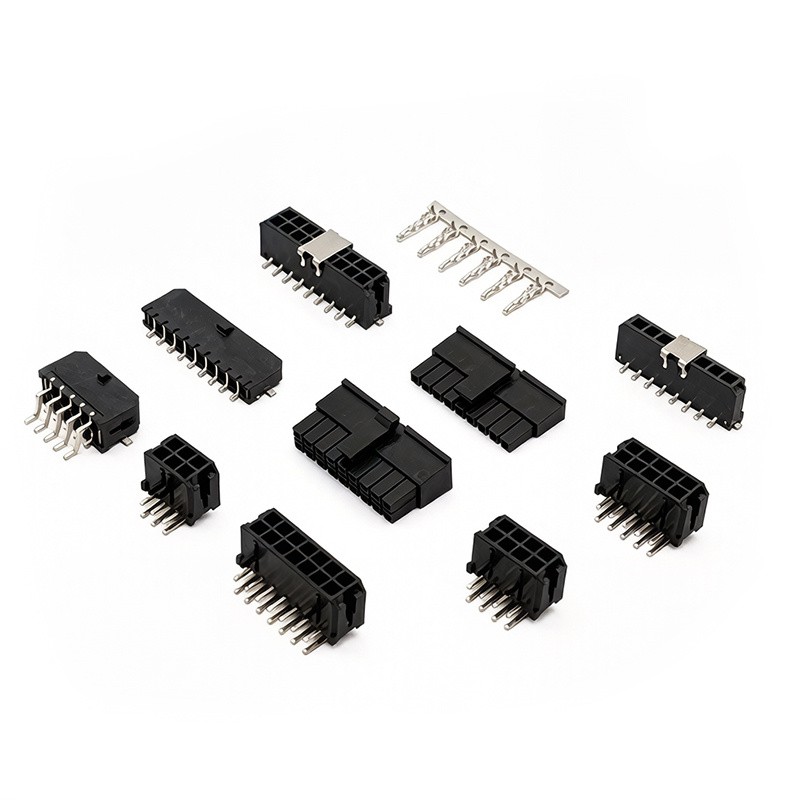
Understanding Mating Force
Mating force refers to the amount of force required to connect or disconnect two board-to-board connectors. It is a crucial parameter that directly affects the ease of assembly, the reliability of the connection, and the overall performance of the electronic device. A proper mating force ensures a secure and stable electrical connection, preventing issues such as intermittent connections, signal loss, and power failures.
Significance of Mating Force
The mating force of a board-to-board connector has several implications for the design and performance of electronic devices:
- Assembly Efficiency: A connector with an appropriate mating force simplifies the assembly process, reducing the time and effort required to connect the PCBs. This is particularly important in high-volume manufacturing environments where efficiency is key.
- Connection Reliability: A secure and stable connection is essential for the reliable operation of electronic devices. A connector with the right mating force ensures that the electrical contacts remain in good contact, minimizing the risk of signal interference and power loss.
- Device Durability: Repeated mating and unmating of connectors can cause wear and tear on the contacts, leading to a decrease in performance over time. A connector with a well-designed mating force can withstand multiple mating cycles without significant degradation, ensuring the long-term durability of the device.
- User Experience: In consumer electronics, the ease of use and reliability of the device are important factors that influence the user experience. A connector with a smooth and consistent mating force enhances the overall user experience, making the device more appealing to consumers.
Factors Influencing Mating Force
Several factors can influence the mating force of a board-to-board connector, including:
- Contact Design: The design of the electrical contacts, such as the shape, size, and material, can have a significant impact on the mating force. For example, a connector with a larger contact area may require more force to mate than one with a smaller contact area.
- Surface Finish: The surface finish of the contacts can also affect the mating force. A smooth and clean surface finish reduces friction, making it easier to mate the connectors. Conversely, a rough or dirty surface finish can increase the mating force and cause wear on the contacts.
- Connector Geometry: The geometry of the connector, such as the pitch, height, and alignment features, can influence the mating force. A connector with a tight pitch or a complex geometry may require more force to mate than one with a larger pitch or a simpler geometry.
- Environmental Conditions: The environmental conditions, such as temperature, humidity, and vibration, can also affect the mating force. For example, high temperatures can cause the contacts to expand, increasing the mating force. Similarly, vibration can cause the contacts to move, leading to intermittent connections and an increase in the mating force.
Measuring Mating Force
Measuring the mating force of a board-to-board connector is an important step in ensuring its performance and reliability. There are several methods for measuring mating force, including:
- Manual Testing: Manual testing involves using a force gauge to measure the force required to mate and unmate the connectors. This method is simple and inexpensive, but it can be subjective and may not provide accurate results.
- Automated Testing: Automated testing involves using a specialized testing machine to measure the mating force. This method is more accurate and objective than manual testing, but it can be more expensive and time-consuming.
- Simulation: Simulation involves using computer software to model the mating process and predict the mating force. This method is useful for designing and optimizing connectors, but it may not provide accurate results in real-world conditions.
Controlling Mating Force
Controlling the mating force of a board-to-board connector is essential for ensuring its performance and reliability. There are several ways to control the mating force, including:
- Contact Design Optimization: Optimizing the design of the electrical contacts can help to reduce the mating force. For example, using a smaller contact area or a more flexible contact design can reduce the force required to mate the connectors.
- Surface Finish Treatment: Treating the surface of the contacts can help to reduce friction and improve the mating force. For example, applying a lubricant or a plating can reduce the friction between the contacts, making it easier to mate the connectors.
- Connector Geometry Optimization: Optimizing the geometry of the connector can help to reduce the mating force. For example, using a larger pitch or a simpler geometry can reduce the force required to mate the connectors.
- Environmental Control: Controlling the environmental conditions, such as temperature, humidity, and vibration, can help to reduce the mating force. For example, using a temperature-controlled environment or a vibration-damping material can reduce the impact of environmental factors on the mating force.
Conclusion
In conclusion, the mating force of a board-to-board connector is a critical parameter that directly affects the performance and reliability of electronic devices. Understanding the concept of mating force, its significance, factors influencing it, and how to measure and control it is essential for designing and manufacturing high-quality connectors. As a supplier of board-to-board connectors, I’m committed to providing our customers with connectors that meet their specific requirements and ensure the reliable operation of their electronic devices.
Automotive Connector If you’re interested in learning more about our board-to-board connectors or have any questions about mating force, please don’t hesitate to contact us. Our team of experts is always available to provide you with the information and support you need.
References
- [1] "Board-to-Board Connectors: A Comprehensive Guide," Electronics Notes.
- [2] "Mating Force: Understanding the Basics," Connector Supplier Magazine.
- [3] "Factors Affecting Mating Force in Board-to-Board Connectors," Journal of Electronic Components.
Wenzhou JKUN Connector Co., Ltd.
As one of the most professional board-to-board connector manufacturers and suppliers in China, we’re featured by quality products and low price. Please rest assured to wholesale bulk customized board-to-board connector from our factory. For quotation and free sample, contact us now.
Address: No.2667, Ningkang East Road, Yueqing City, Zhejiang Province, China
E-mail: sales@cnjkun.com
WebSite: https://www.jkunjcj.com/
