Hey there! I’m a supplier of stamping small parts, and today I wanna chat about something super important in our line of work: the standards for the straightness of stamping small parts. Stamping Small Parts
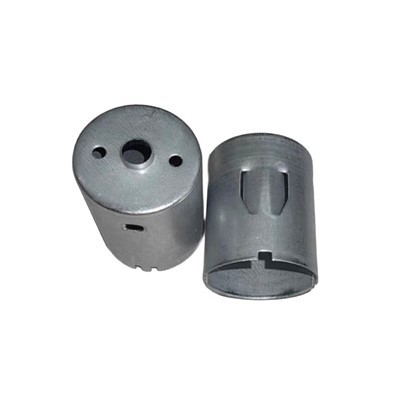
Why Straightness Matters
First off, let’s talk about why straightness is such a big deal. In the world of stamping small parts, straightness isn’t just a nice – to – have; it’s a must – have. These small parts are often used in all sorts of products, from electronics to automotive components. If they’re not straight, it can lead to a whole bunch of problems.
For example, in an electronic device, a non – straight part might not fit properly into its designated slot. This could cause electrical connections to be faulty, leading to malfunctions or even complete failure of the device. In the automotive industry, a small part that’s not straight could affect the performance and safety of a vehicle. A misaligned part might cause excessive wear and tear on other components, or in the worst – case scenario, it could lead to a mechanical failure while the vehicle is in motion.
Measuring Straightness
So, how do we measure the straightness of these stamping small parts? Well, there are a few different methods, and each has its own pros and cons.
One common way is using a straightedge. You simply place the straightedge along the length of the part and look for any gaps between the straightedge and the part. If there are gaps, it means the part isn’t straight. This method is pretty simple and low – tech, but it’s also limited in terms of accuracy. It’s more of a quick visual check and might not be suitable for parts that require very high precision.
Another method is using a coordinate measuring machine (CMM). A CMM is a high – tech device that can measure the exact position of points on a part. By taking multiple measurements along the length of the part, it can calculate the straightness with a high degree of accuracy. However, CMMs are expensive and require trained operators. So, they’re usually used for high – value or high – precision parts.
Industry Standards
Now, let’s get into the industry standards for straightness. Different industries have different requirements when it comes to the straightness of stamping small parts.
In the aerospace industry, for example, the standards are extremely strict. Parts used in aircraft need to be as straight as possible to ensure the safety and performance of the aircraft. Even the slightest deviation from straightness could have serious consequences. The tolerance for straightness in aerospace parts is often measured in micrometers.
In the consumer electronics industry, the standards are also quite high, but not as strict as in aerospace. Electronic devices need parts to fit together precisely, but there’s a bit more leeway compared to aerospace applications. The tolerance for straightness in consumer electronics might be in the range of tenths of a millimeter.
Our Approach as a Supplier
As a supplier of stamping small parts, we take straightness very seriously. We have a quality control process in place to ensure that all our parts meet the required straightness standards.
First, we use state – of – the – art stamping equipment. Our machines are designed to produce parts with high precision. We also have a team of experienced technicians who monitor the stamping process closely. They make sure that the machines are operating correctly and that the parts are being stamped with the right amount of pressure and alignment.
After the stamping process, we perform quality checks. We use a combination of visual inspections and measuring tools. For visual inspections, our workers look for any obvious signs of non – straightness. For more accurate measurements, we use tools like calipers and micrometers.
If a part doesn’t meet the straightness standards, we don’t just let it go. We try to figure out what went wrong in the stamping process. It could be a problem with the machine settings, the material, or something else. Once we identify the issue, we make the necessary adjustments to prevent it from happening again.
Challenges in Maintaining Straightness
Maintaining the straightness of stamping small parts isn’t always easy. There are a few challenges that we face on a regular basis.
One of the biggest challenges is the material. Different materials have different properties, and some are more prone to warping or bending during the stamping process. For example, softer materials like aluminum might be more likely to deform than harder materials like steel. We have to be very careful when choosing the material for a part and make sure that it’s suitable for the required straightness.
Another challenge is the stamping process itself. The pressure applied during stamping can cause the part to deform. If the pressure is too high or unevenly distributed, it can lead to non – straightness. We have to carefully control the stamping parameters to minimize this risk.
Conclusion

In conclusion, the straightness of stamping small parts is a crucial factor in the quality and performance of the final products. As a supplier, we’re committed to meeting the highest standards of straightness. We use the latest technology and a rigorous quality control process to ensure that our parts are as straight as possible.
Stamped Parts If you’re in the market for stamping small parts, we’d love to have a chat with you. Whether you’re from the aerospace, automotive, or consumer electronics industry, we have the expertise and experience to provide you with high – quality parts that meet your straightness requirements. Don’t hesitate to reach out and start a conversation about your needs. We’re here to help you get the best stamping small parts for your projects.
References
- ASME Y14.5 – 2018, Dimensioning and Tolerancing Standard
- ISO 1101:2017, Geometrical product specifications (GPS) – Geometrical tolerancing – Tolerances of form, orientation, location and run – out
Yuyao Aozhou Metal Products Co., Ltd.
We are one of the most experienced stamping small parts manufacturers and suppliers in China. With a professional production team, we are able to meet the needs of the majority of our customers. Please rest assured to buy customized stamping small parts made in China here from our factory.
Address: No.6, Nanbailonggang, Wuma Industrial Zone, Lubu Town, Yuyao City
E-mail: xqr-2316@163.com
WebSite: https://www.cnaozhou.com/
